
Clear Your Mind: Foods That Help Reduce Brain Fog
Discover the science-backed foods and nutritional approaches that help you think clearly, focus deeply, and reclaim your mental sharpness. Your clarity starts with what you eat.
Why Brain Fog Matters
of UK adults report experiencing brain fog regularly, affecting work productivity and daily life.
is the typical afternoon energy crash when blood sugar and nutrients dip — food choices matter greatly.
improvement in focus has been documented when people switch to nutrient-dense whole foods.
is how long sustained mental clarity can last after eating foods rich in omega-3s and B vitamins.
Why Brain Fog Happens and How Food Fights It
Brain fog is that sticky feeling of mental cloudiness — difficulty concentrating, slow thinking, forgetfulness, and mental fatigue. It's not a weakness; it's your brain signalling that it needs better fuel.
Your brain uses 20% of your body's energy despite being only 2% of your body weight. When you eat processed foods, refined sugars, and unhealthy fats, your brain struggles to function optimally. Blood sugar swings, poor oxygen delivery, and low micronutrient levels all contribute to that foggy, stuck feeling.
The good news? Real, whole foods contain the exact nutrients your brain needs — omega-3 fatty acids for membrane health, B vitamins for energy production, antioxidants to protect against oxidative stress, and stable carbohydrates to maintain steady blood glucose. When you feed your brain properly, clarity returns naturally.
Learn More in Our ArticlesTop Brain-Boosting Foods
Fatty Fish (Salmon, Sardines, Mackerel)
Packed with omega-3 fatty acids EPA and DHA, which form the structural foundation of brain cell membranes. These fatty acids reduce inflammation and improve synaptic plasticity — your brain's ability to form new connections and learn.
- • 2-3 servings weekly for optimal cognitive function
- • Rich in choline for memory support
- • Supports blood flow to the brain
Berries (Blueberries, Blackberries, Strawberries)
Bursting with anthocyanins and other polyphenols — powerful antioxidants that cross the blood-brain barrier. These protect your brain from oxidative stress and age-related cognitive decline while boosting memory and learning capacity.
- • A handful daily provides measurable neuroprotection
- • Support neuroinflammation balance
- • Enhance dopamine and serotonin pathways
Leafy Greens (Spinach, Kale, Rocket)
Exceptional sources of folate, lutein, and zeaxanthin — nutrients specifically linked to slowing cognitive decline. The folate supports methylation pathways essential for neurotransmitter production and gene regulation in the brain.
- • Include in 5+ servings of vegetables daily
- • Provide iron for oxygen transport to brain
- • High in magnesium for neurological function
Nuts and Seeds (Walnuts, Almonds, Pumpkin Seeds)
Excellent plant-based sources of omega-3s (especially walnuts), vitamin E, and selenium. These combine to protect brain cells from damage and support myelin (the insulation around nerve fibres) health for faster neural communication.
- • A small handful (28g) as a daily snack
- • Stabilise blood sugar for sustained focus
- • Support healthy cholesterol profiles
Eggs (Whole, Including the Yolk)
Among the richest sources of choline, a nutrient your brain uses to produce acetylcholine — the neurotransmitter essential for learning, memory, and attention. The yolk also contains lutein, zeaxanthin, and B vitamins for complete brain support.
- • 1-2 eggs daily provides substantial choline
- • Lecithin supports cell membrane integrity
- • Complete protein prevents energy crashes
Dark Chocolate (70%+ Cocoa)
Contains phenylethylamine and anandamide — compounds that improve mood and focus. The flavonols enhance blood flow to the brain, improving oxygen and nutrient delivery. Theobromine provides a gentle, sustained mental boost without jitters.
- • 30g daily (about one square) for benefits
- • Supports cardiovascular health for brain perfusion
- • Reduces mental fatigue mid-afternoon
How to Build a Brain-Healthy Day
Start with Protein + Fat
Begin your day with eggs, Greek yogurt, nuts, or fish. Protein and healthy fats stabilise blood glucose and provide sustained energy. This prevents the 10am energy crash and brain fog that comes from refined carbs alone.
Add Antioxidant-Rich Foods
Include berries, leafy greens, or other colourful vegetables at breakfast and lunch. The polyphenols and micronutrients protect your brain from inflammation and oxidative stress, keeping your mind clear throughout the day.
Snack Strategically
Choose nuts, seeds, berries, or dark chocolate instead of sugary snacks. These stabilise blood sugar and deliver brain-specific nutrients. The 3pm slump often disappears when you avoid simple carbs.
Stay Hydrated & Limit Sugar
Dehydration is a primary cause of brain fog. Drink water consistently throughout the day. Reduce refined sugars and ultra-processed foods that trigger inflammation and blood sugar swings — your brain will thank you immediately.
Common Questions About Brain Fog and Nutrition
Many people report noticeable improvements within 3-7 days of consistent nutrition changes — less afternoon fog, sharper morning focus. More significant cognitive benefits (sustained attention, memory clarity, emotional stability) typically emerge over 2-4 weeks as your brain cells rebuild. Everyone's timeline differs based on baseline diet quality and individual factors, but the pattern is consistent: brain fog lifts relatively quickly when you remove inflammatory foods and supply your brain with proper nutrients.
No. The key is consistency and balance, not perfection at every meal. Aim for fatty fish 2-3 times weekly, berries or leafy greens at most meals, a handful of nuts daily, and eggs a few times per week. You don't need to eat all of these foods daily — rotate them and include other whole foods (legumes, whole grains, vegetables, olive oil) for a full spectrum of nutrients. Think of brain-boosting foods as a foundation, not a rigid prescription.
Absolutely. While fatty fish is the richest source of EPA and DHA, vegetarians and vegans can get substantial brain support from walnuts, flaxseeds, chia seeds, hemp seeds, pumpkin seeds, legumes, whole grains, and leafy greens. Plant-based diets rich in antioxidants, B vitamins (from fortified foods or varied whole foods), and healthy fats absolutely support mental clarity. Some people may benefit from a plant-based omega-3 source, but whole-food approaches work well with any diet preference.
There's flexibility here. The underlying principle is to eat whole, nutrient-dense foods — whole grains, legumes, colourful vegetables, quality proteins, and healthy fats. If you dislike fish, focus on nuts, seeds, and plant sources of omega-3s. If eggs aren't for you, get choline from nuts, seeds, and leafy greens. If berries are too expensive, dark leafy greens and other affordable vegetables provide similar antioxidants. The goal is finding brain-healthy foods YOU enjoy and will eat consistently.
Brain fog usually involves multiple factors: sleep quality, stress levels, physical activity, hydration, and yes — nutrition. Diet is one powerful lever you control directly. Even with perfect nutrition, poor sleep or chronic stress will fog your mind. Conversely, excellent sleep, regular movement, and stress management don't fully compensate for a diet lacking brain nutrients. The most effective approach addresses all these areas. Start with nutrition, then examine sleep, activity, and stress management for the fullest clarity.
Explore peer-reviewed research through PubMed and Google Scholar, books by nutrition experts, and reputable articles from evidence-based health publications. Our blog contains detailed explorations of these topics based on current research. Emotionalnutrition provides resources designed to help you understand how food affects mental clarity from a scientific perspective. Always look for sources citing actual studies, not marketing claims, and remember that individual response varies.
Visual Guide to Brain-Healthy Ingredients
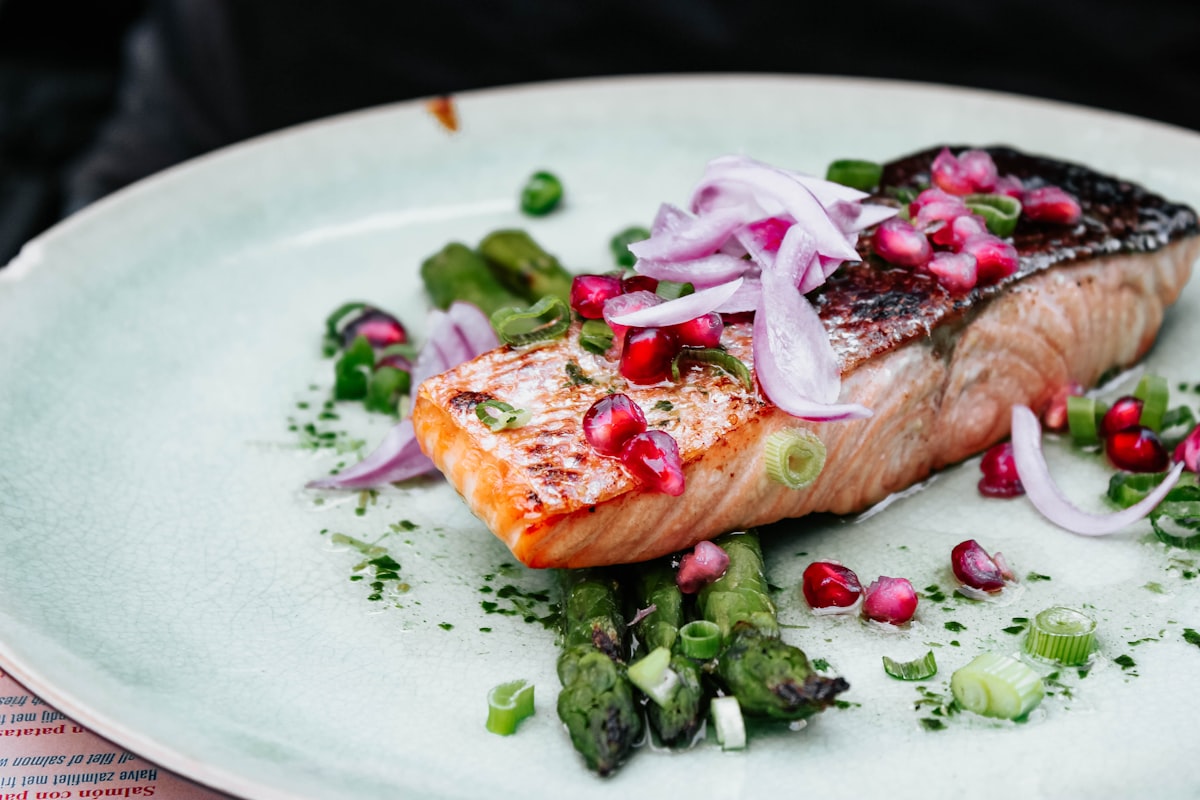
Salmon
Omega-3s, vitamin D, selenium — supports neurotransmitter production and brain cell structure.

Blueberries
Anthocyanins, polyphenols — protect against oxidative stress and enhance memory formation.

Spinach
Folate, lutein, iron — supports cognitive function and slows age-related decline.
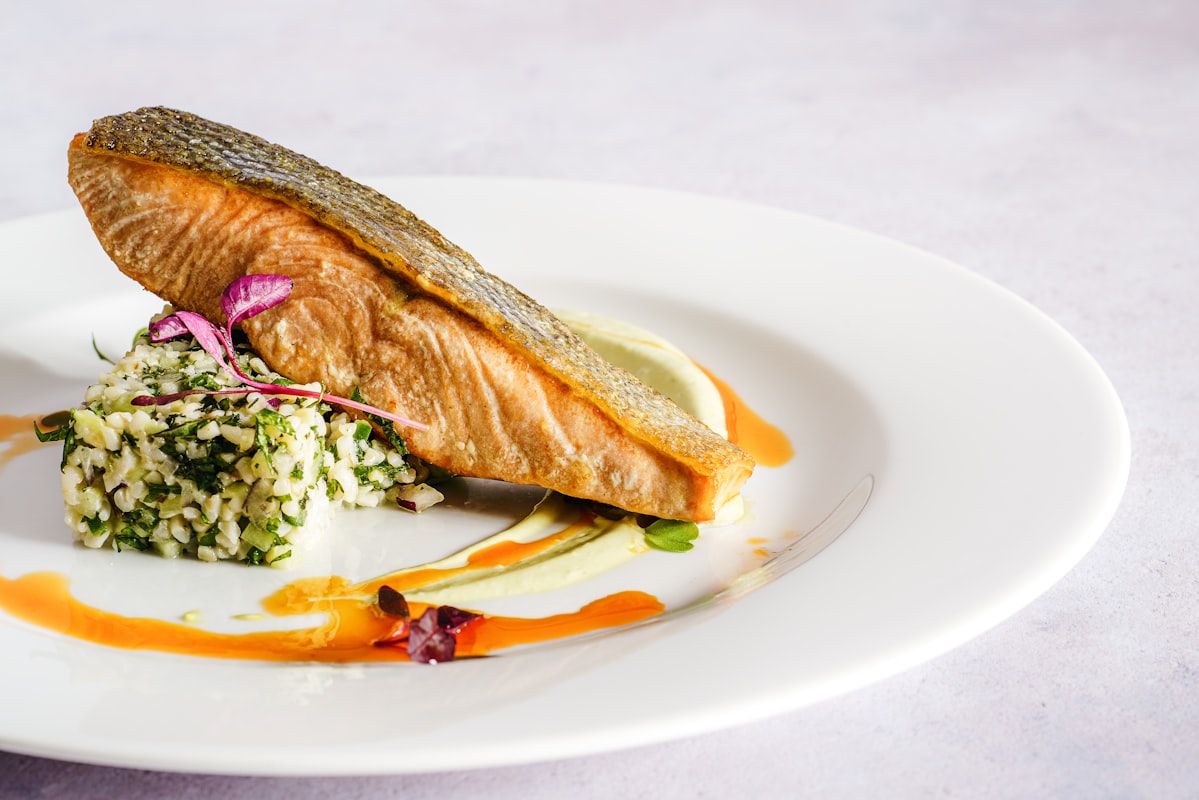
Walnuts & Almonds
Plant-based omega-3s, vitamin E, magnesium — stabilise mood and protect neural tissue.

Eggs
Choline, lutein, complete protein — essential for learning, memory, and sustained focus.

Dark Chocolate
Flavonols, phenylethylamine — improves blood flow, mood, and mental clarity.
Real Results from Real People
"
After two weeks of eating the foods recommended here, the afternoon fog completely lifted. I used to struggle to focus after lunch, but now my mind stays sharp until evening. I've even started enjoying my work again instead of pushing through mental exhaustion.
Sarah Mitchell
Manchester, UK
"
I'm a software developer and was losing entire afternoons to brain fog. Adding fish twice a week and berries to my breakfast made a real difference. The articles here helped me understand why these foods matter, not just that I should eat them.
James Chen
Edinburgh, UK
"
As a teacher managing 30 students daily, I desperately needed mental clarity. Switching from sugary snacks to nuts and dark chocolate changed everything. I'm more patient, remember details better, and feel more like myself by 3pm instead of completely drained.
Emma Thompson
Bristol, UK
"
I was sceptical at first, but the science here is genuine. Eating more leafy greens and reducing processed food didn't just clear my head — it improved my mood, sleep quality, and concentration at work. Best part: it's simpler than I expected.
David Walsh
London, UK
"
I work in healthcare and understand nutrition science. What impressed me most is how these recommendations are rooted in real research, not marketing hype. The articles explain the mechanisms clearly. I've recommended this to patients dealing with mental fatigue.
Priya Patel
Leeds, UK
"
As a busy parent, I struggle with stress-eating. This resource helped me understand the connection between my emotions and food choices. Now I make intentional decisions instead of reaching for comfort foods automatically.
Marcus Thompson
Toronto, Canada
Frequently Asked Questions
Is Emotional Nutrition backed by science?
Yes. All our content is grounded in peer-reviewed research from nutritional neuroscience, psychology, and behavioral medicine. We cite primary sources and work with healthcare professionals to ensure accuracy.
Can this replace professional mental health care?
Emotional Nutrition is a complement to, not a replacement for, professional healthcare. If you're struggling with mental health conditions, please consult a doctor, therapist, or registered dietitian.
How often is content updated?
We publish new articles bi-weekly and continuously review existing content to reflect the latest research. Our newsletter keeps you informed of updates and emerging topics.
Is there a subscription cost?
Core articles and resources are completely free. Our premium newsletter offers deeper insights and personalized guidance for a small monthly fee—but you can get started without paying anything.
Can you help with specific dietary restrictions?
Absolutely. We cover emotional nutrition strategies for vegan, keto, gluten-free, and other dietary approaches. If you don't see your restriction covered, contact us—we're always expanding our library.
Ready to Transform Your Relationship with Food?
Join thousands of readers discovering how nutrition and emotion work together for better wellbeing.
Your privacy is important. We never share your email.